


Government plans to end gas subsidy system by 2027
 Rabbia Zafar
|
2 hours ago
Rabbia Zafar
|
2 hours ago

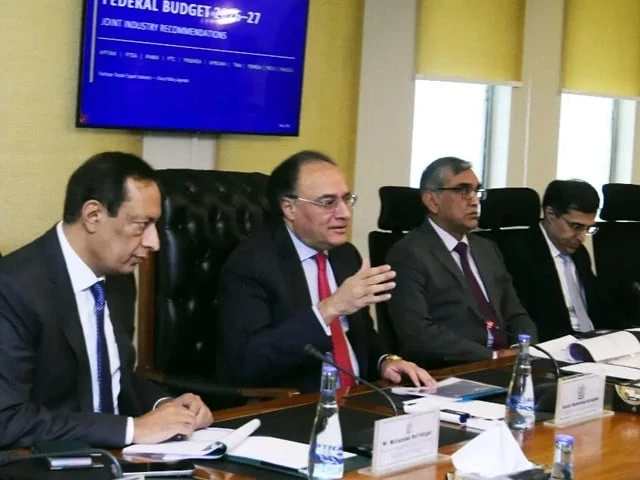
Pakistan has assured the International Monetary Fund that it will phase out the existing Rs140 billion gas cross-subsidy system by January 2027 as part of broader energy sector reforms.
According to senior officials from the Petroleum Division Pakistan, the government plans to replace the current subsidy structure with a targeted assistance model based on household income instead of energy consumption levels.
Under the existing system, protected and some non-protected domestic consumers receive natural gas at subsidised rates. The financial burden of these subsidies is currently borne by industries, commercial consumers, CNG stations, cement manufacturers, and higher-end domestic users through elevated gas tariffs.
Officials said the government now intends to gradually eliminate this cross-subsidy mechanism and move toward a uniform average gas tariff for all consumers. Financial assistance for low-income households would instead be provided directly using data from the Benazir Income Support Programme.
The move is aimed at improving transparency, reducing market distortions, and meeting reform commitments linked to Pakistan’s agreements with the IMF.
Authorities stated that the current average gas tariff stands at around Rs1,750 per MMBtu, while protected consumers pay significantly lower rates under the subsidy framework.
Economic experts say the planned reforms could help reduce financial pressure on industrial and commercial sectors, which have long argued that higher gas tariffs negatively impact production costs and competitiveness.
However, concerns remain regarding the potential impact on low and middle-income households once subsidies are removed. Government officials insist that vulnerable families will continue receiving targeted financial support through direct cash assistance mechanisms.
The proposed reforms form part of Pakistan’s broader economic restructuring programme aimed at stabilising public finances, reducing circular debt, and improving efficiency in the energy sector under ongoing IMF-backed reforms.



US imposes visa curbs on India-linked firm over fentanyl pills

Bangladesh faces rising contraceptive shortage crisis




8 minutes ago
13 minutes ago

20 minutes ago

33 minutes ago

45 minutes ago

53 minutes ago
- At least 13 people were killed in a series of Israeli strikes in southern Lebanon on Tuesday, according to Lebanon’s…
- The United States has announced visa restrictions on 13 individuals linked to an India-based online pharmacy accused of trafficking counterfeit…
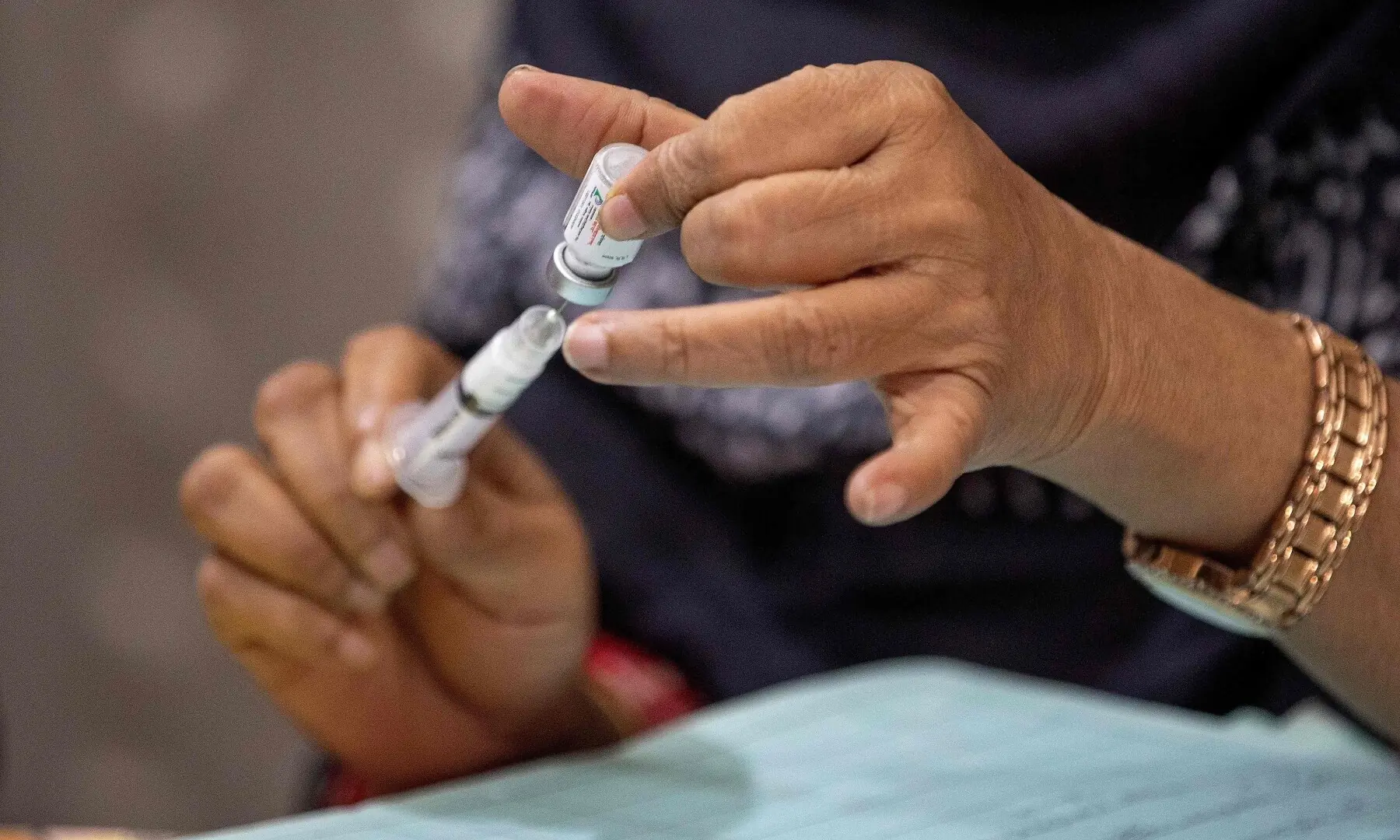
- Bangladesh is facing a growing public health challenge as severe shortages of contraceptives disrupt its long-standing family planning programme, raising…
 Delegations from China and the United States held trade discussions in South Korea on Wednesday, just hours before US President…

- A major shift in medical terminology has been announced for Polycystic Ovarian Syndrome (PCOS), a common hormonal disorder affecting millions…
- Health authorities are working to contain a potential international spread of hantavirus after new suspected cases emerged across multiple countries,…
 The Indus Hospital, located in Karachi’s Korangi area, has earned widespread recognition for providing free and quality healthcare services to…
 The Healthcare Devices Association of Pakistan (HDAP) has raised serious concerns over the continued presence of banned reusable syringes in…



- At least 13 people were killed in a series of…8 minutes ago
- Indian actor and producer Dileep Raj has passed away at…13 minutes ago
- The United States has announced visa restrictions on 13 individuals…20 minutes ago
- A major shift in medical terminology has been announced for…33 minutes ago